Why Door Knob Locks Wear Out Faster Than You Think
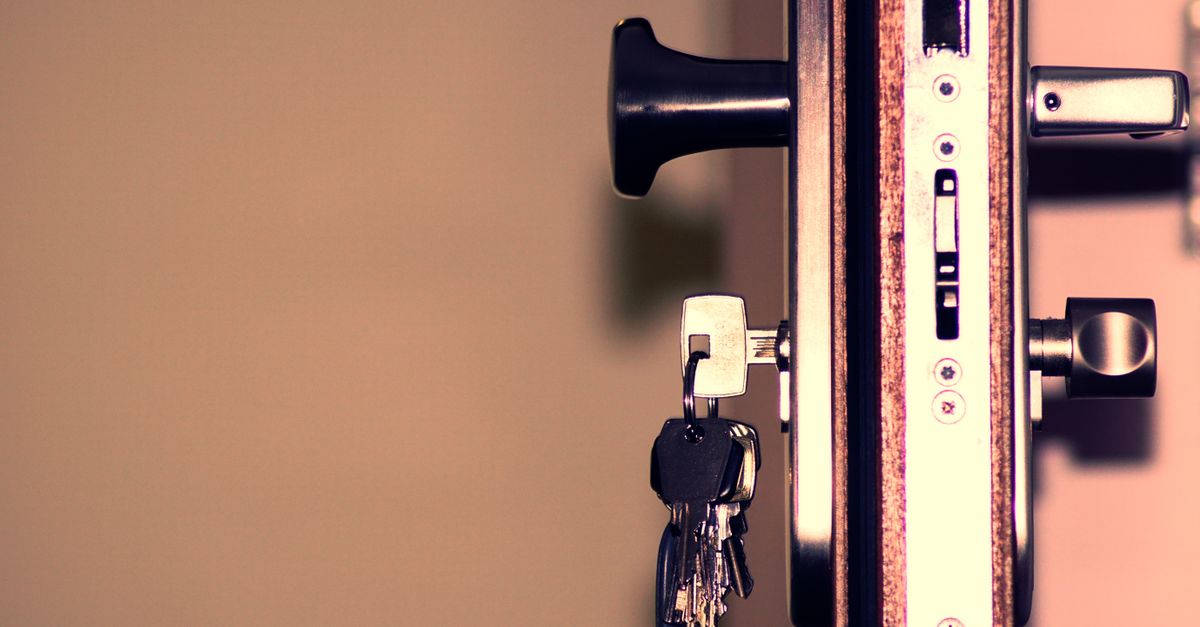
A standard residential knob lock contains a spring latch, a spindle, a rose plate, and a chassis — all of which are subject to constant rotational stress. Every time you turn the knob, minute amounts of metal fatigue accumulate inside the mechanism. Add in RSM's occasional heat spikes along Antonio Parkway and the dry air that causes door frames to contract and expand seasonally, and it is easy to see why a lock that felt solid three years ago now wobbles or binds. Exterior knobs face additional abuse from UV exposure, dust, and the occasional hard slam during Santa Ana wind events. Interior knobs, especially a door knob with lock for a bedroom or bathroom, wear out differently — they are turned dozens of times daily by multiple household members, and the privacy pin or push-button mechanism is often the first component to strip or jam.
Lever-style locks on commercial doors add another variable: ADA-compliant levers absorb downward force rather than rotational force, which stresses the latch bolt housing over time. When that housing cracks or the lever droops below the horizontal, the latch may no longer align with the strike plate, leaving the door either permanently latched or permanently unlatched. Neither outcome is acceptable in a retail or office setting along Trabuco Road. Our commercial locksmith experience covers exactly this kind of scenario — we assess the full door prep, strike plate position, and backset before recommending a replacement, rather than simply swapping hardware and hoping for alignment.